
Checked: 5 October 2026 · Germany
A used electric car should suit your journeys and your budget. This guide takes you from the first advertisement to the handover: What should you ask, which evidence do you need, and when should you examine the contract more closely?
Which used electric car suits your everyday life?
Start with your journeys: commuting, regular motorway driving and holidays. Your use determines the appropriate battery size; the highest advertised range is not an end in itself.[5]
Write down your longest regular journey and a dependable charging option. When viewing a family electric car, bring your child seats and usual luggage. Check whether the car fits your parking space too.
Electric car battery tests: What does SoH mean?
State of Health (SoH) describes the traction battery’s condition, such as its remaining capacity compared with when it was new. A full battery does not necessarily mean a battery in as-new condition: State of Charge (SoC) and battery health answer different questions.[3]
Request a recent battery certificate or arrange an independent battery check, for example through ADAC. First establish whether the test supports the exact model.[2]
Match the vehicle identification number, test date and method to the car on offer. Ask what the report actually establishes. A single percentage cannot replace a vehicle inspection or promise freedom from future faults.
How long does the battery last — and does high mileage matter?
Batteries age through time and use. Mileage and age alone therefore cannot establish this particular car’s remaining usable capacity. Its documented condition matters.[1]
There is no replacement price that applies to every car. Depending on the model, repairing individual battery modules may be possible; replacing the entire pack is not always the only solution. Have concerning findings and repair options assessed professionally.[7]
If battery condition is unclear, obtain a comprehensible test result before buying. Ask for records and invoices covering previous battery work.
Winter and motorway range: How much reserve do you need?
Cold weather and heating the cabin and battery can increase energy demand. Short winter journeys are particularly demanding. A heat pump is model-dependent equipment, not a promise of a particular range.[4]
Look for tests and owner reports for the exact battery and model-year version. Include part of your usual route in the test drive. Allow a reserve to reach a dependable charging point; a summer dashboard estimate is insufficient for this decision.
AC, DC and charging power: What should you check?
AC means alternating-current charging; DC means direct-current charging. Check the exact version’s connectors and charging equipment. kW measures power; kWh measures energy. Advertised peak charging power is not maintained throughout the whole session.[5]
Arrange a trial charge at a compatible charging point. Ask to be shown the connection, unlocking procedure and charging display. Inspect the cables and confirm which are included. For travel, compare charging time rather than only the highest kW figure.
Can you own an electric car without a home wallbox?
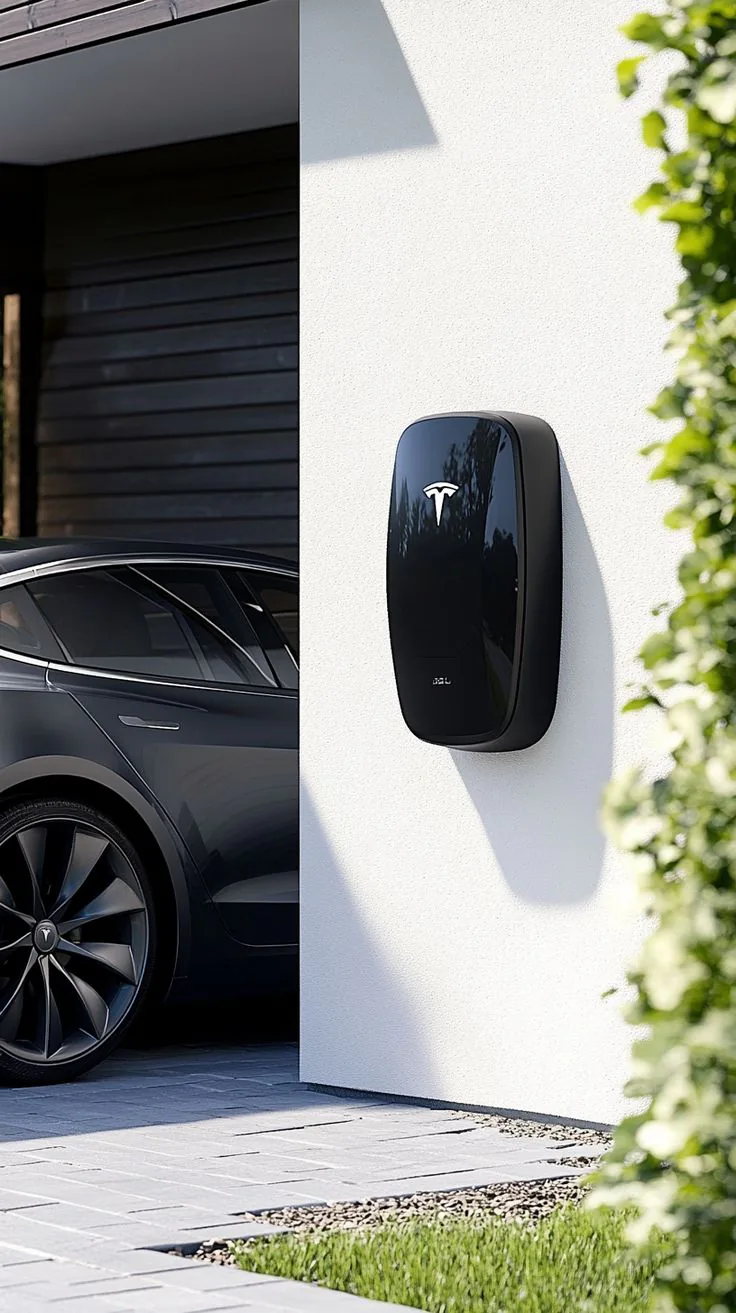
A home wallbox is not the only option: Check charging at work and nearby public points. Home installation requires proper professional planning and work; a household socket is not an equivalent permanent solution.[18]
Try your proposed charging routine before buying. Can you access the point when needed? Is it often occupied, or subject to parking fees? Calculate costs using the tariff you will actually pay.
Used-car inspection: Which parts need particular attention?
An electric car still needs bodywork, mechanical and electronic checks. Brakes deserve attention: Less use of friction braking can encourage corrosion. A recent German roadworthiness inspection does not replace a comprehensive used-car check.[6]
Have tyres, suspension, heating, air conditioning, warning messages and the underbody checked. Concerns about the battery casing belong with a qualified professional. Do not open high-voltage components yourself. Request a diagnosis before signing if repairs are unclear.
Battery warranty: What remains when you buy used?
The manufacturer’s terms determine duration, mileage limit, promised remaining capacity and transferability. Check whether transfer or assignment is necessary and which records are required.[7]
Ask when this car’s warranty actually ends, rather than simply quoting its original duration. Obtain the terms in writing. Battery warranty, additional used-car warranty and statutory defect rights should be distinguishable in the offer.
Dealer or private seller: What defect rights apply in Germany?
For ordinary defect claims, the limitation period is generally two years from delivery.[8]
In a consumer purchase from a business, this may be shortened to one year for used goods. It is not automatic: The buyer must be specifically informed before declaring agreement, and the reduction must be expressly and separately agreed.[9]
A private seller can contractually exclude defect liability. However, that exclusion cannot protect them where they fraudulently conceal a defect or give a guarantee concerning the car’s condition.[10]
Used electric cars under €20,000: How should you compare offers?
ADAC’s 2025 comparison includes the BMW i3, Fiat 500e, Hyundai Kona Electric, Renault Zoe, Tesla Model 3 and VW ID.3. Its price examples do not promise a particular offer in October 2026.[11]
Compare similar model years, battery sizes and equipment. A low asking price becomes meaningful alongside battery health, repair needs, warranty and accessories. Set a budget that includes registration and immediately necessary work.
Charging costs and total costs: What belongs in your calculation?
Establish whether you are buying the battery as well. Older Renault Zoe cars in particular may have a separate battery rental agreement. Include additional monthly commitments in your comparison.[11]
Add purchase or finance costs, insurance, servicing, tyres, charging, any wallbox costs and eventual resale. Using illustrative figures: 18 kWh billed per 100 km at €0.40 per kWh gives €7.20 per 100 km. This is neither a current tariff nor a consumption promise. Prefer billed energy figures that include charging losses.
Leasing or buying a used electric car: Which makes sense?
Compare buying and leasing over the same period and annual mileage. Include eventual resale proceeds when buying and all contractual costs when leasing. A low monthly payment cannot decide the comparison alone.[12]
Mileage-based leasing requires attention to the agreed allowance and excess-mileage charges. Residual-value leasing can add exposure to a lower-than-expected vehicle value. The lessor owns the car; buying it afterwards is not automatically included.[13]
Even for a used lease car, check the battery report, remaining warranty and condition. Request a clear breakdown of the initial payment, delivery, maintenance, insurance, return conditions and any purchase option. Ask how the contract handles early termination before signing.
Is an ex-lease electric car automatically a good used purchase?
Treat “ex-lease” as a reason to ask further questions. Request maintenance records, return and condition reports, and invoices for repaired damage. Compare the car’s present condition with those documents. An origin label alone does not answer your buying checks.
Electric car grants in 2026: Is a used car eligible?
Germany’s E-Auto-Förderung 2026 covers buying or leasing eligible new cars first registered in Germany. An already registered used electric car is outside this new-car scheme. Leasing a used car does not make it eligible either.[14]
Our article “Electric car grants in 2026” explains the new-car conditions. Include a grant only when the relevant funding body confirms that your planned purchase meets its requirements.
Vehicle tax and the THG quota: What happens after a change of keeper?
A remaining German vehicle-tax exemption for a battery-electric vehicle can pass to its new keeper. Buying the car does not start another ten-year exemption. Check first registration and the remaining period.[15]
For the THG quota, the estimated electricity amount can be certified only once per vehicle per calendar year, even after a keeper change. Ask whether the previous keeper has already applied or received certification.[19]
The German Environment Agency does not itself pay a THG premium; remuneration comes through private marketing arrangements. Check provider terms and fees. Do not budget for a fixed payout.[16]
Purchase contract and handover: Which documents do you need?
Match the vehicle identification number to the papers. Check the seller’s identity, registration documents, service records and invoices. Record known previous damage and promised characteristics in writing.[17]
Prepare a handover record listing mileage, keys, cables and agreed accessories. Ask for a demonstration of the vehicle app, and check with the manufacturer how previous access is removed and your access established. Discuss subscriptions and digital extras explicitly.
Checklist: How to check a used electric car before buying
Use this sequence to turn unanswered questions into evidence:
- Before viewing: Request the exact version, battery ownership details, charging equipment, warranty terms and documents.
- At the appointment: Try everyday practicality, take a test drive and trial charge, and arrange professional vehicle and battery checks.
- Before deciding: Resolve outstanding damage questions and compare total buying, finance or leasing costs.
- Before signing: Check the seller, promised characteristics, liability terms and all additional costs.
- At handover: Go through documents, keys, charging cables, accessories and digital access together.