A year without an accident, yet a higher renewal bill: it can happen. German car insurance depends on more than your personal claims history. Your vehicle model, home region, policy terms and the cost of settling claims also affect the premium.
Before renewing for 2027, check your car's classification, the new bill and comparable offers. The free lookup tools from the German Insurance Association (GDV) are a useful starting point.
Typklassen 2027: who moves to a higher or lower class?
The GDV has published its 2027 vehicle insurance classes, or Typklassen. Around 7.4 million motorists move to a higher motor third-party liability class and around 5.1 million to a lower one. These figures concern liability vehicle classes, not every type of own-damage cover. Source: GDV, last updated 30 September 2026.
A different class does not tell you how much your own premium will rise or fall. The GDV statistics are non-binding for insurers. Your individual quote or renewal notice establishes the actual price.
Why can my car insurance cost more even without an accident?
Claim-free years affect your personal discount. At the same time, higher repair and spare-parts costs may lead an insurer to recalculate its rates. The claims record of your vehicle model or home region may also change.
Other factors include annual mileage, drivers' ages, who is permitted to drive, the level of cover and the excess. An improvement in one factor therefore does not guarantee a lower overall premium. GDV: the factors used to calculate car insurance premiums.
What do Typklasse, Regionalklasse and SF-Klasse mean?
- Typklasse: your vehicle model
- This reflects the frequency and cost of claims for a particular model version. A lower vehicle class generally has a favourable effect on the premium.
- Regionalklasse: your home region
- This reflects the claims record of the registration district where the keeper lives, rather than the location of one particular accident. A lower regional class generally has a favourable effect.
- Schadenfreiheitsklasse (SF): your personal insurance history
- This recognises claim-free insurance years. Here the direction is different: a higher SF class normally means a larger discount. Third-party liability and Vollkasko have separate SF classes; Teilkasko has none.
For example, two neighbours may drive the same model version and share the same vehicle and regional classes, while having different SF classes. Their premiums can therefore differ. Insurers also set their own discount percentages for each SF class. WGV explains no-claims classes and switching insurers.
The same car also has separate vehicle classes for liability, Teilkasko and Vollkasko. GDV: how vehicle insurance classes work.
How can I check my car's Typklasse online?
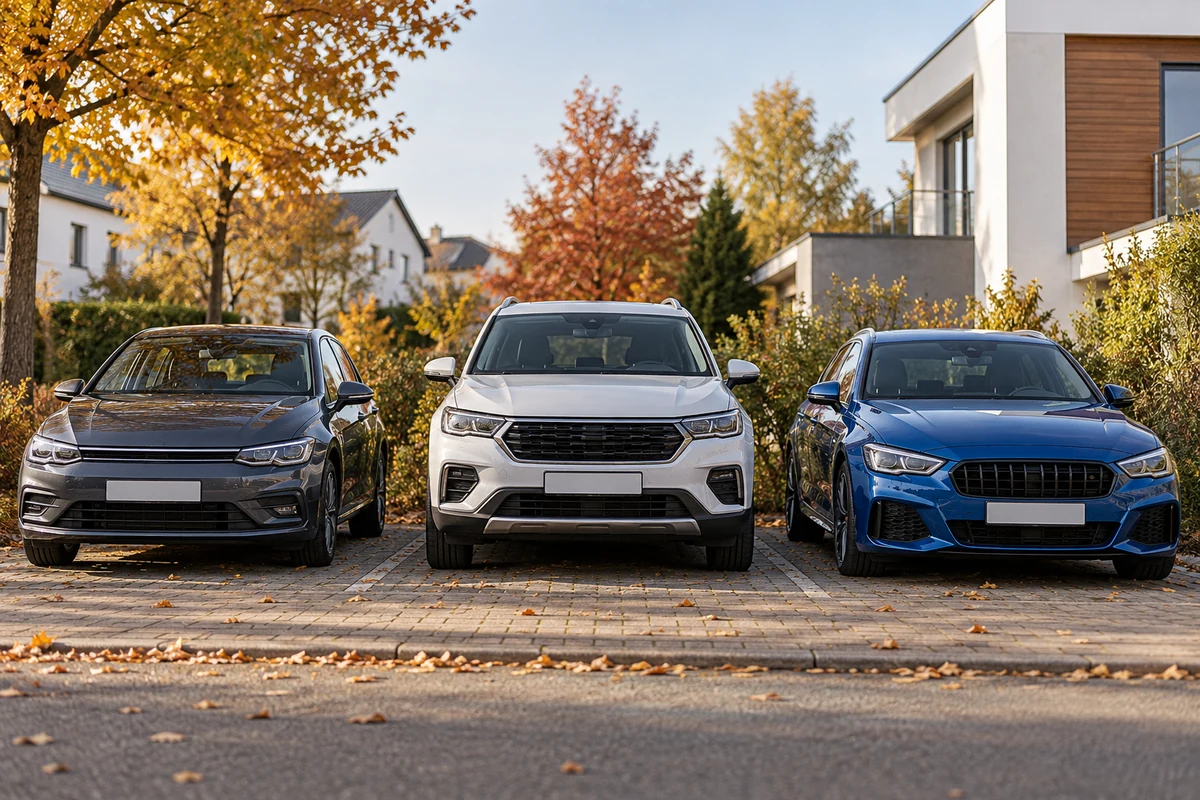
Open the official free GDV vehicle-class lookup for 2027. Search by make and model, or use the HSN and TSN codes in your German registration certificate, Zulassungsbescheinigung Teil I.
- HSN: field 2.1.
- TSN: the search normally uses the first three characters in field 2.2.
Check the version, engine and model year. A model name alone may not identify the right car. ADAC shows where to find the HSN and TSN. You do not need a customer account to view the classes. The lookup does not take out an insurance policy.
Which regional insurance class applies in Frankfurt and Hesse?
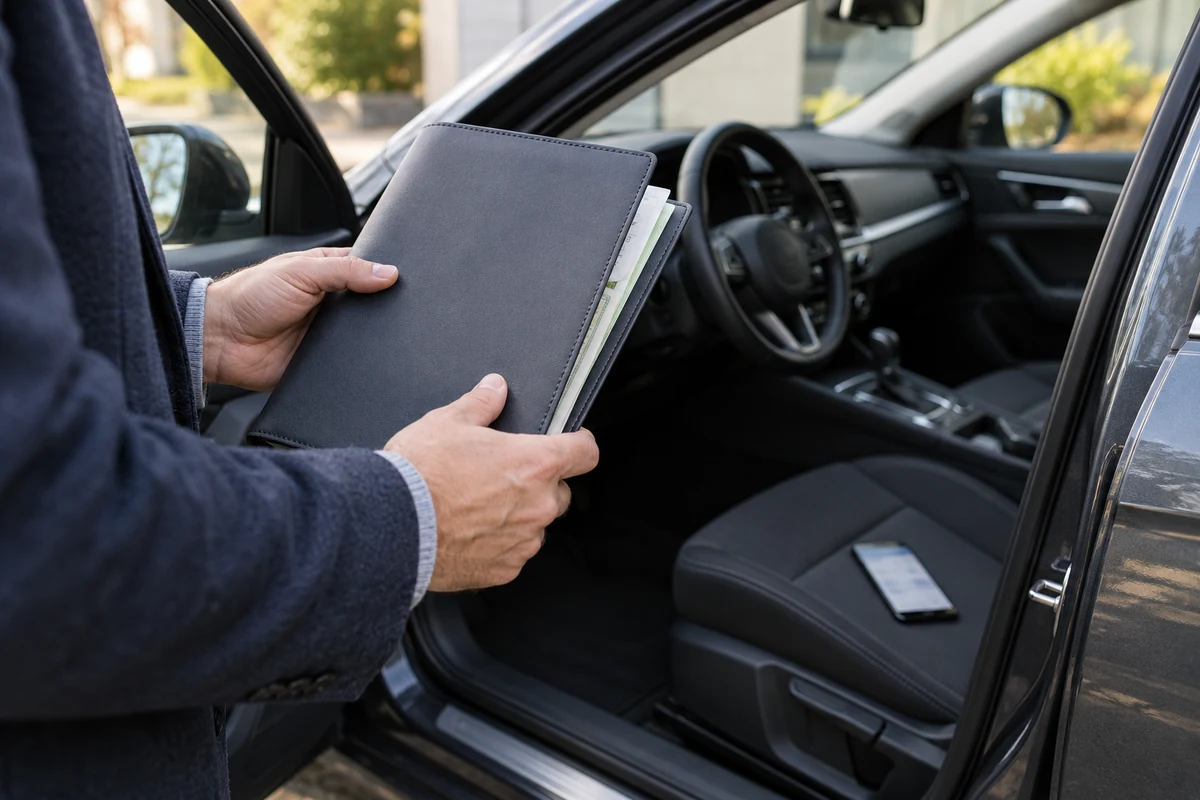
Enter your postcode, town or registration district in the official 2027 regional-class lookup. It shows liability, Teilkasko and Vollkasko classes and changes from the previous year.
Choose the correct district in the Rhine-Main region: Frankfurt am Main, the city of Offenbach and the Offenbach district are separate registration districts. In the new GDV statistics, liability regional classes rise in areas including Wetteraukreis and Main-Taunus-Kreis.
The city of Offenbach's claims record is almost 40% above the national average. This describes claims, not an automatic 40% increase in your premium. GDV: regional changes in Hesse.
What is Kasko: liability, Teilkasko or Vollkasko?
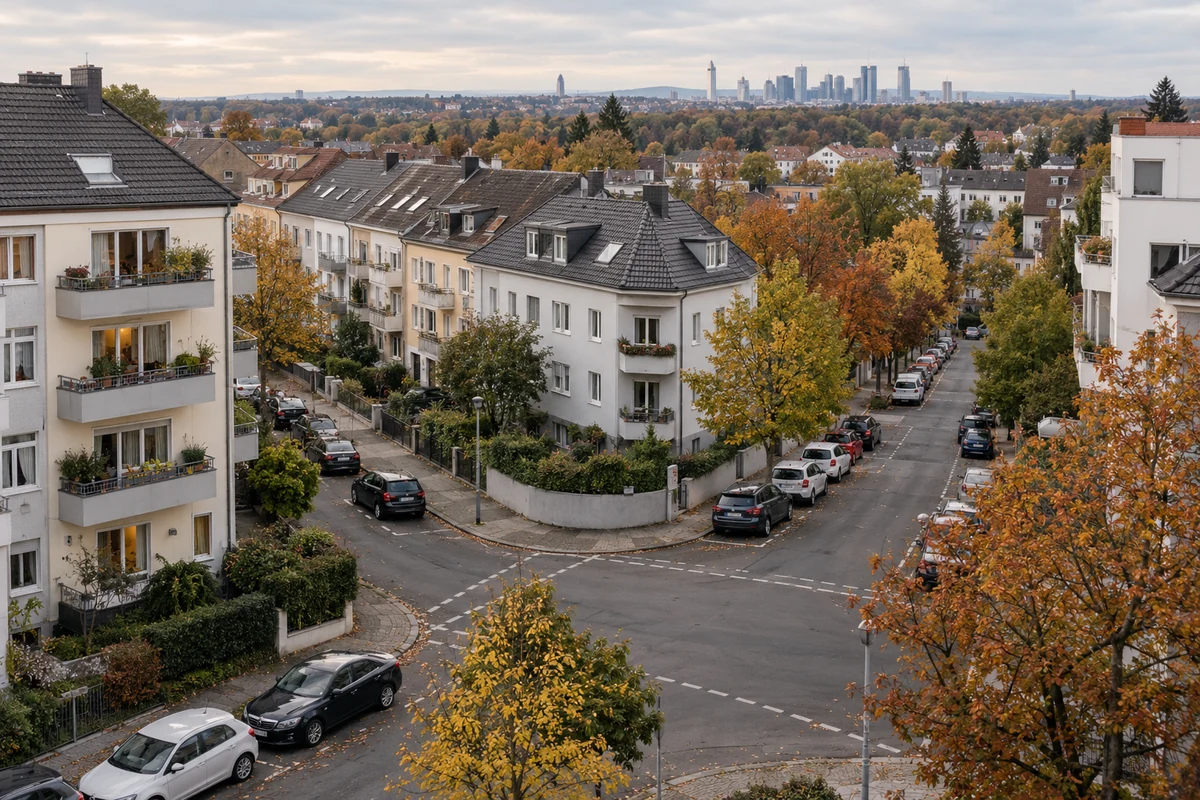
Kfz-Haftpflicht is compulsory motor third-party liability insurance. It covers valid claims by other people, for example after an accident you cause. It does not replace cover for your own car.
Kasko covers damage to your own vehicle. Teilkasko covers specified risks such as theft, broken glass, hail or fire. Vollkasko additionally covers, in particular, accidental damage you cause to your own car and vandalism.
For example, you accidentally hit another car. Your liability insurance generally deals with the other person's damage. Vollkasko may pay for damage to your own car, subject to the policy conditions and agreed excess.
For a leased or financed vehicle, check your agreement before changing the cover. The car's value and whether you could pay for a major loss yourself also matter when choosing own-damage insurance. Verbraucherzentrale: liability and own-damage cover explained.
How do I compare car insurance with the same cover?
Use the same details for each car insurance comparison: annual mileage, drivers, own-damage cover and excess. Compare the total price for a year under the selected payment arrangement.
Also check cover limits, exclusions, no-claims downgrades after a claim and Werkstattbindung, an agreed repair-network restriction. Under that condition, the insurer chooses the workshop for covered own-damage repairs. A higher excess may lower the premium but increases what you pay towards a claim.
A comparison website does not necessarily cover the entire market. Verbraucherzentrale recommends considering several offers and contacting insurers directly. It may also be worth asking your existing company about a different tariff. Verbraucherzentrale: what to check when comparing policies.

What is the deadline for switching car insurance for 2027?
If your policy ends on 31 December 2026 and requires one month's notice, the insurer must receive your cancellation by 30 November 2026. Receipt matters, not the date you send it.
That date does not apply to every policy. Check your insurance-year end and cancellation notice period. Start comparing after receiving the renewal notice, leaving enough time to confirm the new policy and end the old one within its deadline. ADAC: switching deadlines and procedure.

Can I cancel after 30 November if the premium increases?
Yes, where a special cancellation right, or Sonderkündigungsrecht, applies. Under section 40 of the German Insurance Contract Act (VVG), if an insurer raises the premium under an adjustment clause without a corresponding extension of cover, you may cancel within one month of receiving the notice.
Cancellation may take effect immediately, but no earlier than the increase takes effect. The insurer must tell you about this right in the notice. Receiving an increase notice after 30 November may therefore still allow a switch.
Not every higher bill qualifies. Additional costs caused by changes to your personal details or an SF downgrade following a claim do not, by themselves, establish the same right under section 40.

Can I cancel German car insurance by email?
If cancellation requires Textform, meaning text form, you can use email. Include your name, address, policy number, vehicle and intended end date. For special cancellation, state the reason too.
Use the insurer's official contact address or designated cancellation channel. Request confirmation of receipt and the policy end date, and keep your message and the reply. Sending an email alone does not prove receipt. Verbraucherzentrale: cancelling by email. A cancellation template is also available on the official ADAC switching guide.

Will I keep my SF no-claims class when switching insurers?
The new insurer takes account of your confirmed claims record. However, the discount percentage for the same SF class may differ between insurers. Internal preferential classifications and Rabattschutz, protection against a downgrade after a claim, do not automatically transfer.
Before switching, ask your current insurer in writing which claims history and classification it will report to the new company. This is particularly important after a claim or where a special arrangement applies. Verbraucherzentrale: SF classes and protected discounts when switching.
How do I switch German car insurance online?
- Prepare your details: registration certificate, current policy, renewal notice, claims record, annual mileage and driver details.
- Check the car and region: use the official vehicle-class and regional-class lookups.
- Compare equivalent offers: confirm cover, price and the SF classification accepted by the new insurer.
- Obtain acceptance of the new policy: then cancel the existing policy within its deadline and check its end date.
- Arrange continuous cover: the required insurance must not be interrupted during the switch.
Simply changing insurers for an already registered car normally does not require deregistration. Insurers generally send the necessary notifications to the registration authority automatically. ADAC: switching step by step.