
Should you switch to winter tyres in October, or wait for the first snow? This guide explains Germany’s winter tyre requirements in 2026 and helps you assess the timing, markings and condition of your tyres.

When are winter tyres compulsory in Germany?
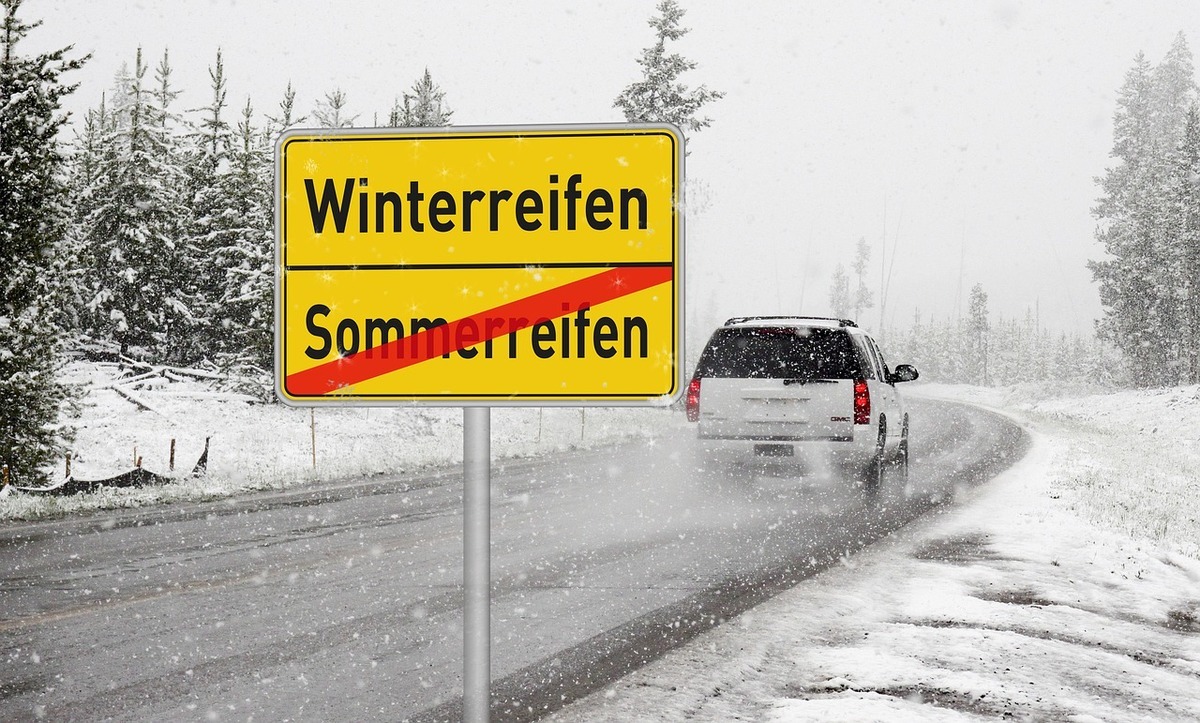
On black ice, packed snow, slush, ice or frost-covered roads, a passenger car must have suitable winter tyres on all four wheels. Section 2(3a) of Germany’s Road Traffic Regulations, the StVO, sets this requirement. Road conditions decide; there is no general starting date of 1 October or 1 November.[1]
Electric cars and passenger cars with all-wheel drive are covered too; their drivetrain does not create an exemption. A car that remains parked and is not driven in those conditions does not trigger this situational requirement simply by being parked.[1]
When should you switch? October to Easter and the 7°C rule
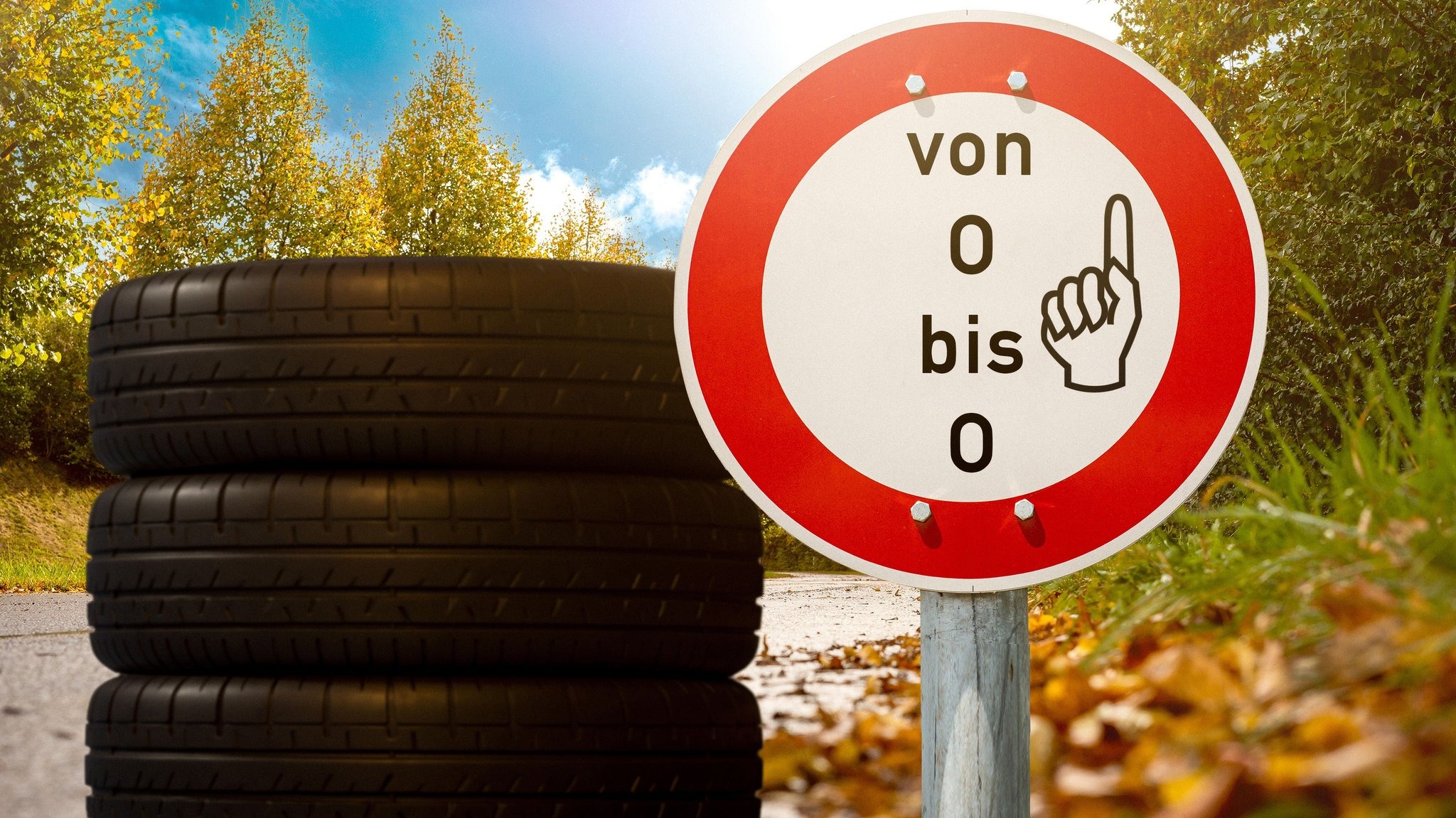
Germany’s “O bis O” rule of thumb means October to Easter: Oktober to Ostern. Temperatures regularly below roughly 7°C are also mentioned as a planning aid. Neither replaces checking the weather and route; there is no statutory temperature threshold.[8][1]
Arrange the change before journeys where frost or snow is expected. An earlier appointment makes sense for early commutes and trips to higher ground. If you depend on your car every day, book before icy weather is forecast. A mild afternoon should not distract you from conditions expected at your next departure.
Alpine symbol, 3PMSF or M+S: Which tyres qualify?
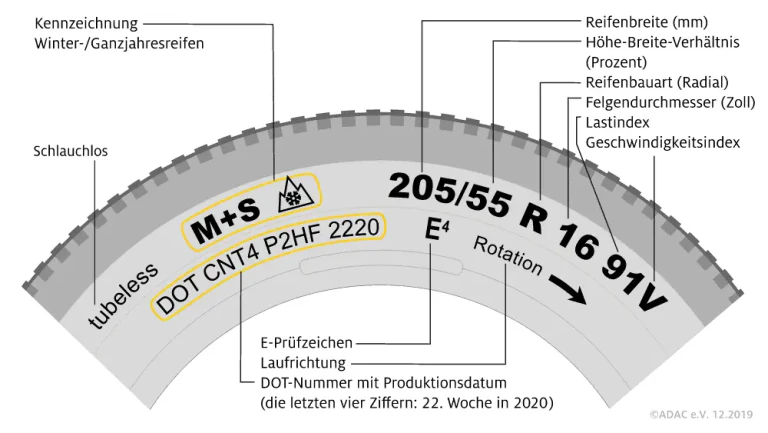
Look for the Alpine symbol on the sidewall: a mountain pictogram with a snowflake, also called 3PMSF. This marking forms part of the statutory requirements for tyres used in wintry conditions. M+S alone is insufficient.[2][18]

The old transitional allowance for older tyres marked only M+S has expired. Since 1 October 2024, that marking alone no longer qualifies for winter road conditions. This still applies in 2026, including to foreign-registered cars driven in Germany.[7]
Are all-season tyres allowed in winter?
Yes. All-season tyres can meet the winter tyre requirement if they carry the Alpine symbol and satisfy the other requirements for tyres and their condition. Check the marking on the tyre itself; an “all-season” product label alone proves nothing.[2]
Choose between all-season tyres and separate summer and winter sets according to your journeys. Compare performance on snow, wet roads and dry roads. A legally qualifying tyre is not automatically the best choice for your route.
Winter tyre tread depth: Is the minimum 1.6 or 4 millimetres?
Germany’s statutory minimum for passenger-car tyres is 1.6 mm in the main tread around the entire circumference. This applies to winter tyres too. The main tread occupies roughly the central three quarters of the tread width.[2]
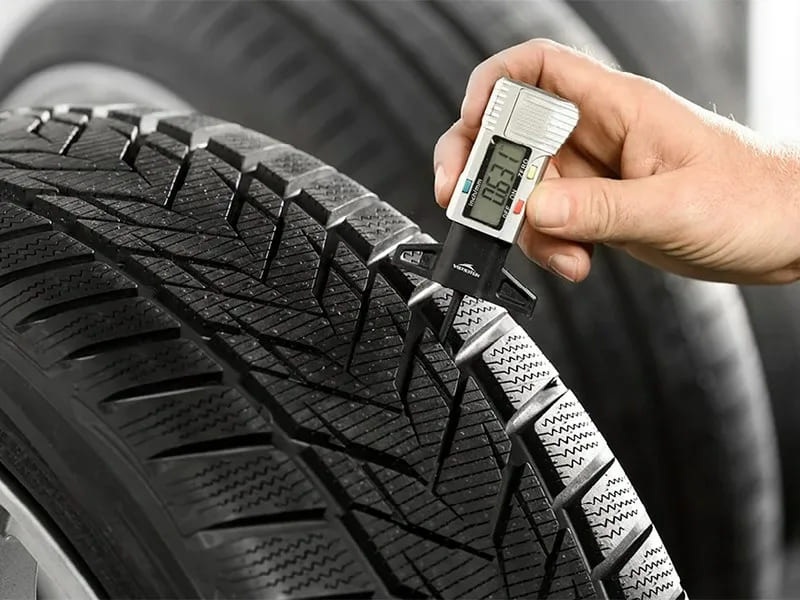
ADAC recommends at least 4 mm of remaining tread for winter and all-season tyres. This is safety advice, not a second legal minimum. Measure at several positions with a tread-depth gauge.[9]
How much tread do new winter tyres have? ADAC states that new tyres generally have 7 to 9 mm; new winter tyres can have 10 mm. The actual depth depends on the model.[9]
How old can winter tyres be? Reading the DOT code
There is no fixed general age limit for passenger-car winter tyres. Nevertheless, have older tyres inspected. Adequate tread alone is not a good reason to overlook visible damage.[8]
The final four digits of the DOT marking give the production week and year: 3622 means week 36 of 2022. ADAC’s tyre-buying guide describes declining winter performance from about six years and generally advises against winter tyres over eight years old. These are recommendations, not statutory expiry dates.[10]
Summer tyres in winter: What fines can you face?
Driving with unsuitable tyres in the wintry road conditions specified by law carries these standard penalties:[3]
- Driver: €60 and one penalty point in Flensburg.
- Driver obstructing others: €80 and one penalty point.
- Vehicle keeper ordering or permitting the journey: €75 and one penalty point.
Endangering others or causing property damage can bring higher penalties. Summer tyres are not an offence merely because it is winter on the calendar; this offence depends on road conditions.[3][4][5][1]
An accident without winter tyres: What about insurance?
If summer tyres contribute to an accident on wintry roads, own-damage insurance payments may be reduced for gross negligence. Contributory fault is possible even if another driver otherwise caused the accident. Check the circumstances and policy terms.[6][14][11]

Winter tyre tests: Which tyre fits your car?
If you search for a “205/55 R16 winter tyre test winner”, first check that this size is approved for your car. Match tyre size, load capacity and speed rating to the vehicle documents. A winning result in another size does not fully answer your buying question.
The ADAC tyre tests are a useful starting point. Check the test year, tested size and the conditions most relevant to your driving. Do not choose solely by brand or the lowest advertised price.[12]
A winter tyre with a speed rating below the car’s maximum speed can be permitted under certain conditions. These include an appropriate in-car display or notice; the tyre’s permitted speed must not be exceeded. Have your particular combination checked.[2]
Tyre-change costs: What should a quotation include?
Ask whether the work is a change of complete wheels with tyres already fitted, or mounting tyres onto rims. Request the total price for your wheels, including agreed extras such as balancing, tyre-pressure monitoring work and storage. Compare quotations for the same work.[15]
After the change, tyre pressure should be checked against the manufacturer’s instructions. Follow your vehicle’s guidance for fitting and the tyre-pressure monitoring system. Without suitable equipment and experience, a workshop is the sensible choice.[17]
Hiring a car in winter: What should you check?
Check tyres and extra charges before collection. Hire companies must provide a roadworthy car ready to drive; summer tyres do not meet that requirement in wintry conditions.[11]
Snow chains and winter tyre rules abroad
Snow chains do not replace the required winter tyres. In Germany, the maximum speed with snow chains is 50 km/h; conditions may require a lower speed.[1][13]
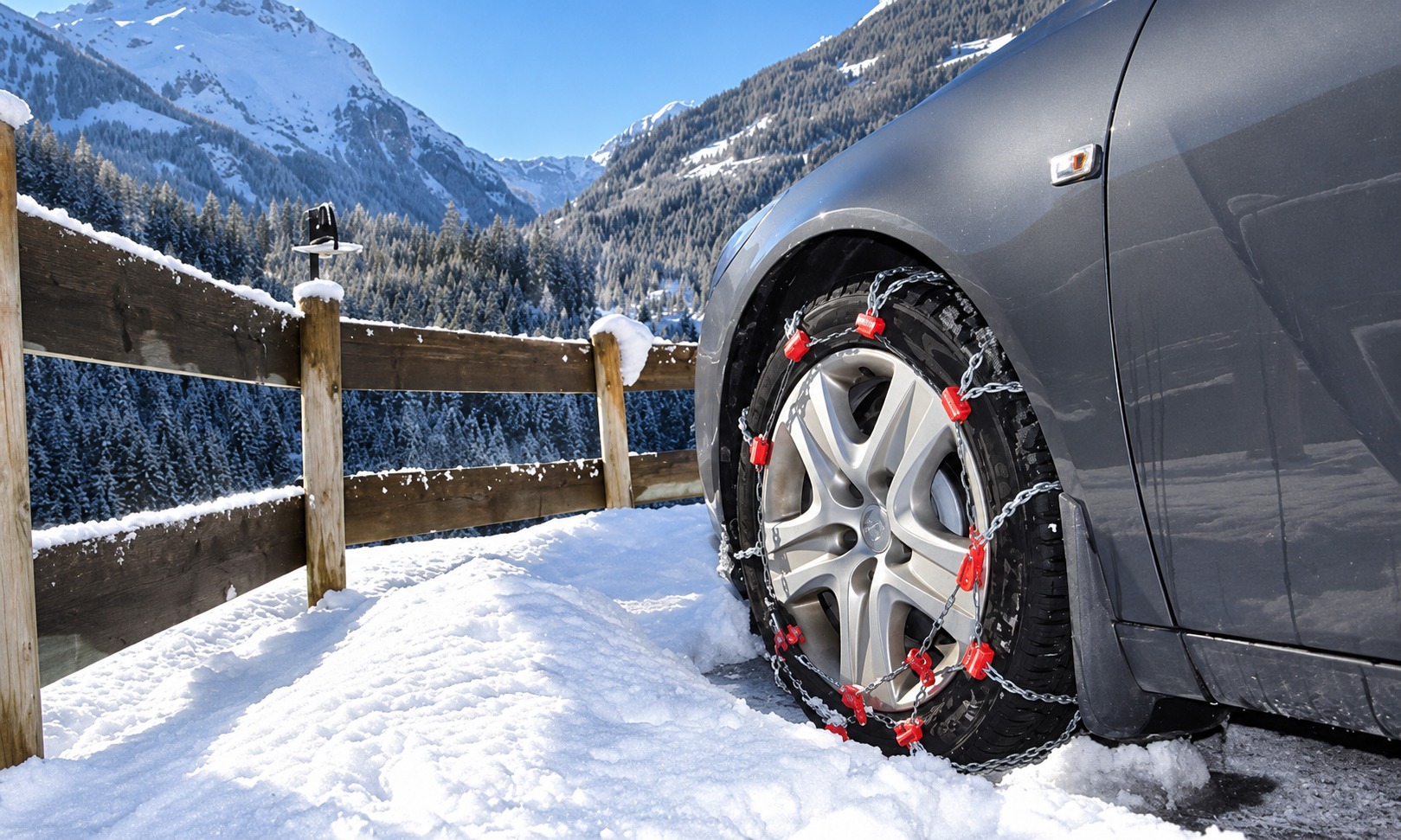
Before driving to Austria, Switzerland or Italy, check the destination’s rules. Do not assume that Germany’s requirements for dates, markings and tread depth apply abroad.
Storing tyres and preparing the next change
Store tyres somewhere cool, dry and dark. Complete wheels are stored flat or suspended; tyres without rims stand upright and are turned occasionally. When using workshop storage, record the model, condition and tread depth.[16]
Use the same approach when returning to summer tyres: check the weather and planned journeys, arrange the appointment and inspect the existing set. Easter alone is not a reliable changeover date for every route.
Checklist: Preparing your winter tyre change
Check these five points before the appointment:
- Consider the forecast, departure times and route.
- Check the Alpine symbol on all four tyres.
- Measure tread, read the DOT code and have damage inspected.
- Compare approved tyre sizes and complete workshop quotations.
- After fitting, check pressure and follow the vehicle’s instructions.